 Cook
Cook Learn
LearnHow is matcha handpicked?

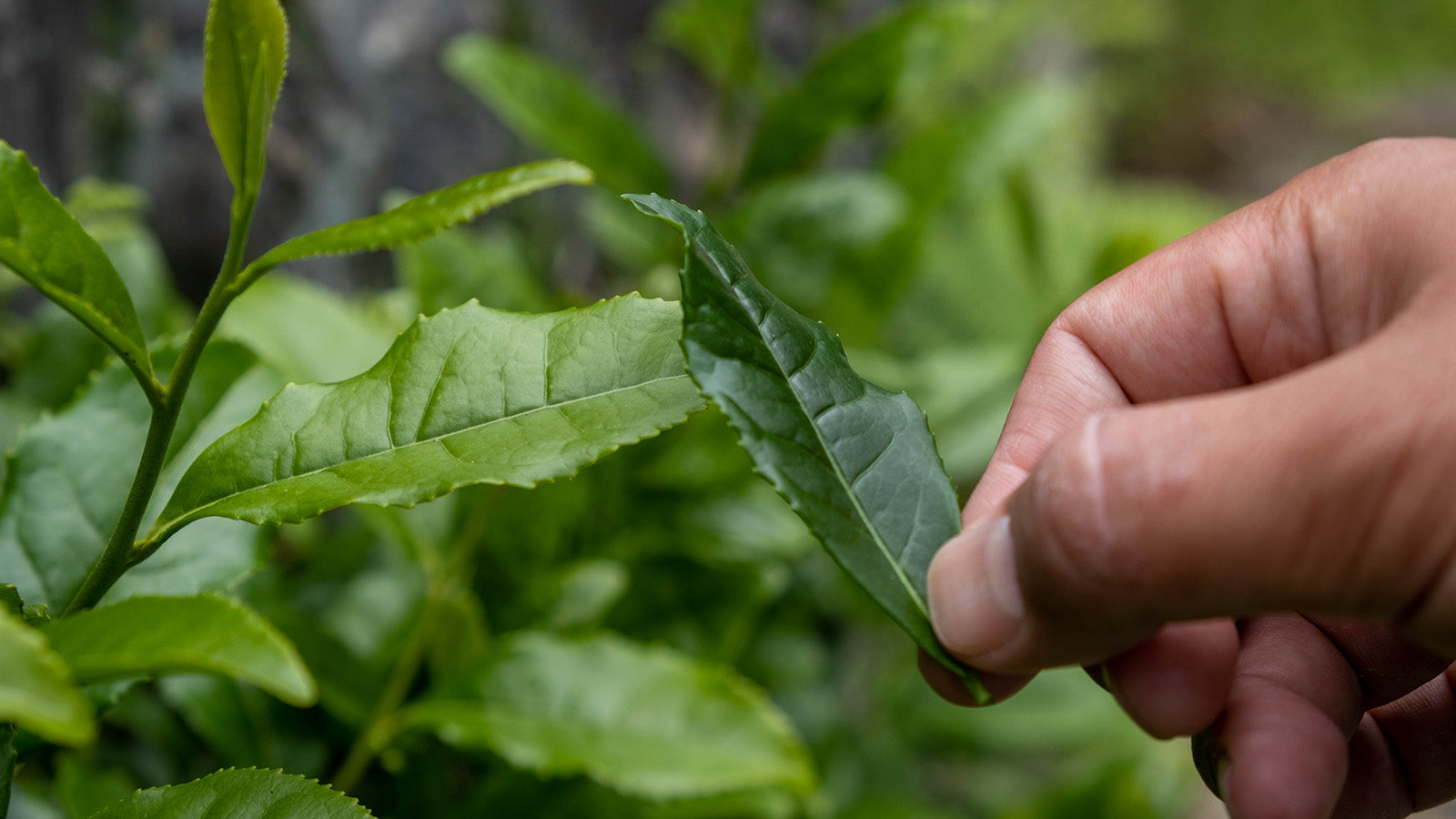
It's rare to find genuinely hand-picked matcha outside of Japan, and there's a good reason for that. It's an incredibly time-consuming process, and less than 5% of all tea farms in Japan use it.
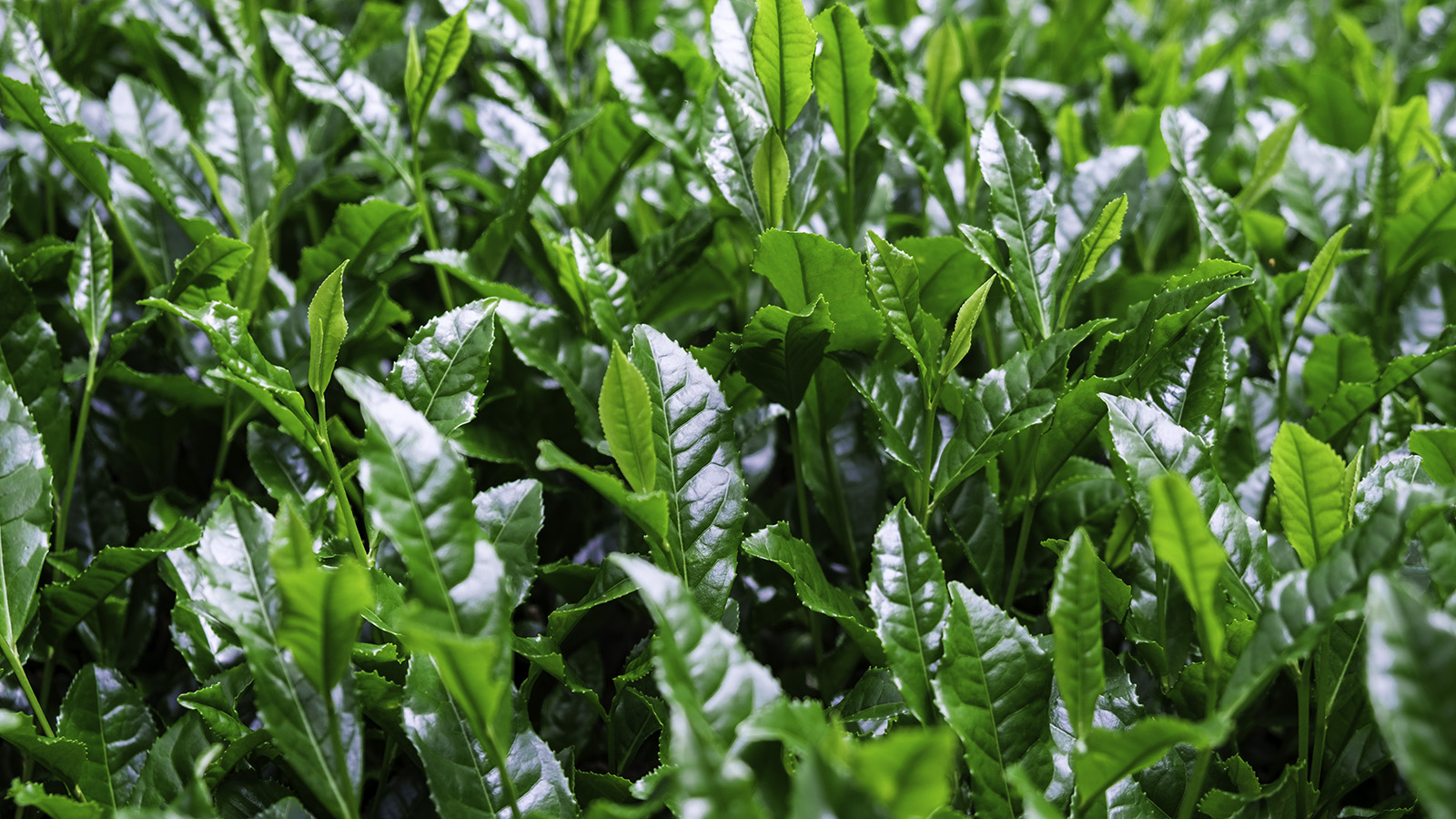
In fields where tea leaves are hand-picked, the tea bushes are allowed to grow taller to facilitate harvesting. The most experienced pickers look for the freshest leaves and have specific terms for different picking methods, such as Niyou Tsumi (two-leaf picking), Sanyou Tsumi (third-leaf picking), and Hutsu Tsumi (regular picking). Only the top leaves are used for the finest teas.
BENEFITS OF HAND-PICKING
Hand-picking makes it easier to focus on the youngest and freshest leaves, which results in a more concentrated umami and sweetness, as well as less bitterness. Furthermore, the leaves are not damaged as much as during machine harvesting, which can lead to faster oxidation.
In Uji, hand-picked tencha is only harvested from Ichibancha (the first flush of the season). The tencha is then ground down to become matcha, and the price often reflects the quality of these sought-after teas.